Our Family’s Guide to Mbale, Uganda
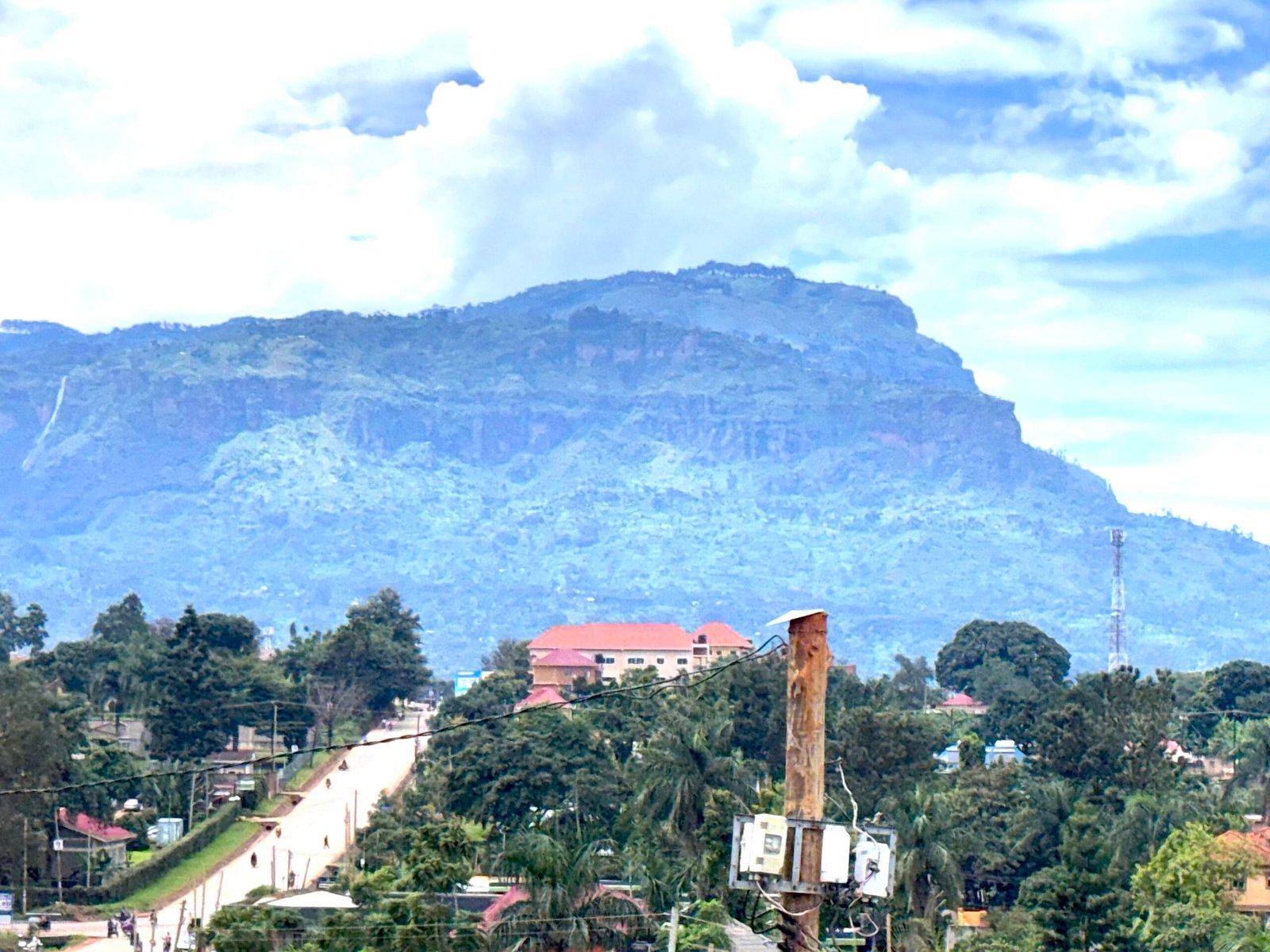
Mbale isn’t really a tourist town, and it doesn’t try to be—but that’s part of what makes it special. Life here feels steady, connected, and rooted in everyday moments.
Mbale is where most of our everyday life happens.
Welcome to Mbale
It’s where I live with the kids during the school week, and where our routines are built—school mornings, cooking from scratch, laundry, and the rhythm of daily life.
It’s also where we return after time in the village in Tororo District, which is a big part of our family’s life too.
Mbale isn’t really a tourist town, and it doesn’t try to be—but that’s part of what makes it special. Life here feels steady, connected, and rooted in everyday moments.
This isn’t a guide from a quick visit—it’s a look at the places and experiences that shape our daily life here as a family living in eastern Uganda.
Start Here
Visiting Mbale: What to Expect

Food + Groceries in Mbale
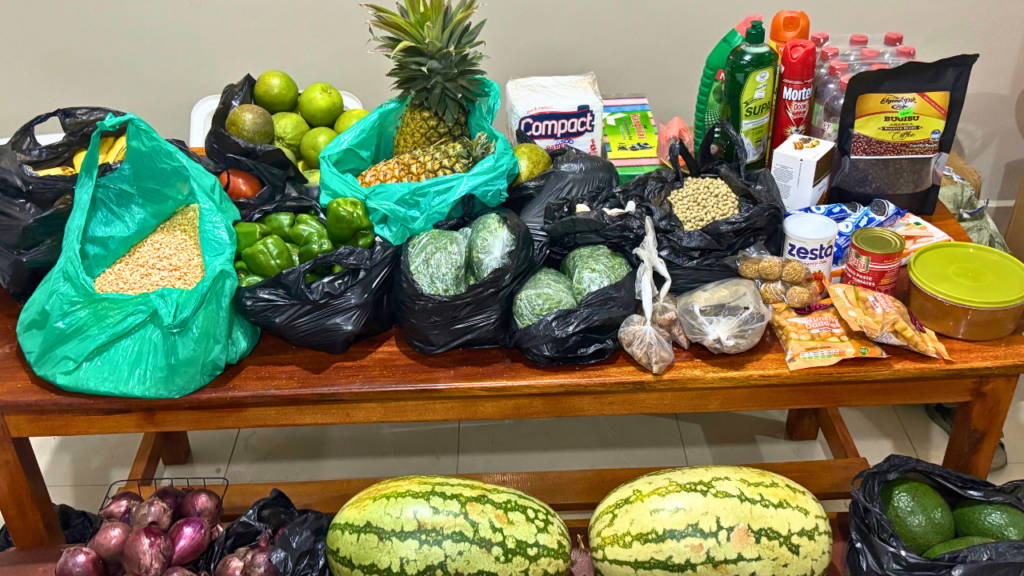
One thing that often surprises people is how easy it is to find what you need here.
There are:
- Local markets with fresh produce
- Small roadside stands
- Supermarkets that carry a wide range of everyday items
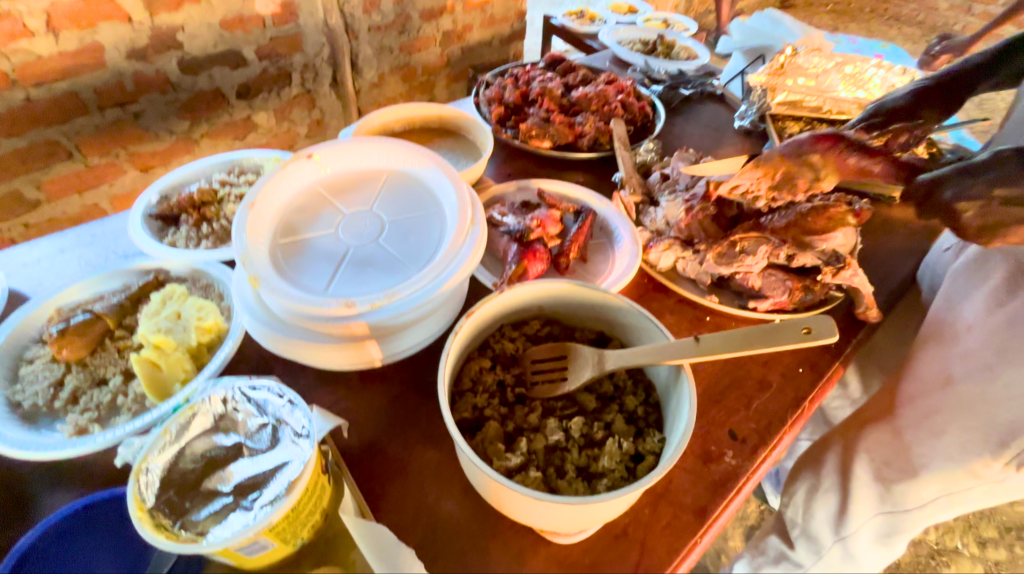
We cook most of our meals at home, and it’s never felt limiting. Whether you’re making local dishes or something different like an international cuisine, you can usually find what you need without too much effort. Having year round access to dozens of fruits and vegetables is honestly such a dream come true.
Food here becomes part of the rhythm—shopping, preparing, sharing—it’s woven into daily life in a really natural way.

What to Expect
- Come with flexible expectations—things don’t always run on a strict schedule
- Be ready for a slower, more steady pace of life (it’s worth leaning into)
- Carry cash or use mobile money (MTN or Airtel are widely used)
- Take time to talk to people—conversation is part of everyday life here and everyone is so friendly

Why Mbale Feels Different (In a Good Way)
Mbale isn’t trying to be anything other than what it is.
It’s a growing city, but it still feels familiar and grounded. You get a sense of everyday life here in a way that can be harder to find in more fast-paced or tourist-heavy places.
There’s space to settle in.
To notice things.
To experience a place not just as a visitor, but as someone moving through daily life—even if just for a short time.

Where Mbale Fits Into Travel in Uganda
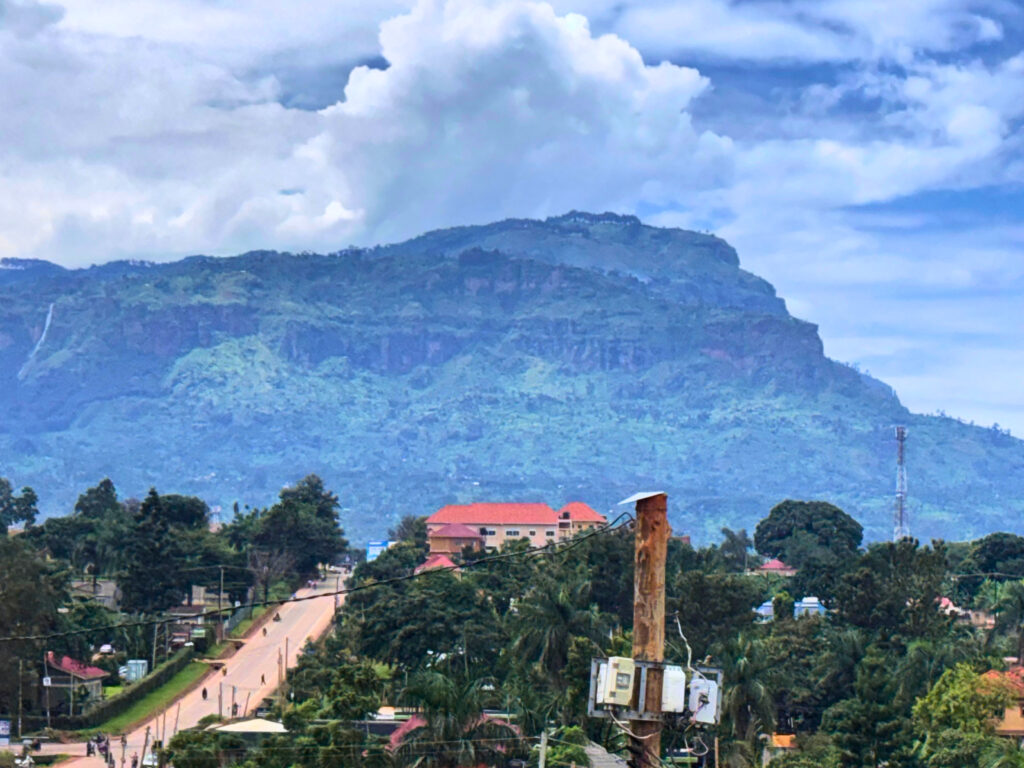
Mbale sits in eastern Uganda, not far from Mount Elgon and along the route many travelers take toward Sipi Falls.
Some people pass through quickly—but it’s the kind of place that becomes more meaningful when you stay just a little longer.If you’re planning a longer stay or want more space and a more local home-style experience, vacation rentals in Mbale can be a great option for feeling more settled while exploring eastern Uganda.
It’s a good base for exploring the region, but it also stands on its own as a place to experience everyday life in Uganda outside of the bigger cities.
If you’re planning a short stay or using Mbale as a base for exploring Mount Elgon or Sipi Falls, there are several hotel options in town that are convenient and easy to book. Browse accommodations in Mbale here.

What Everyday Life in Mbale Feels Like
Life in Mbale has a steady rhythm to it.
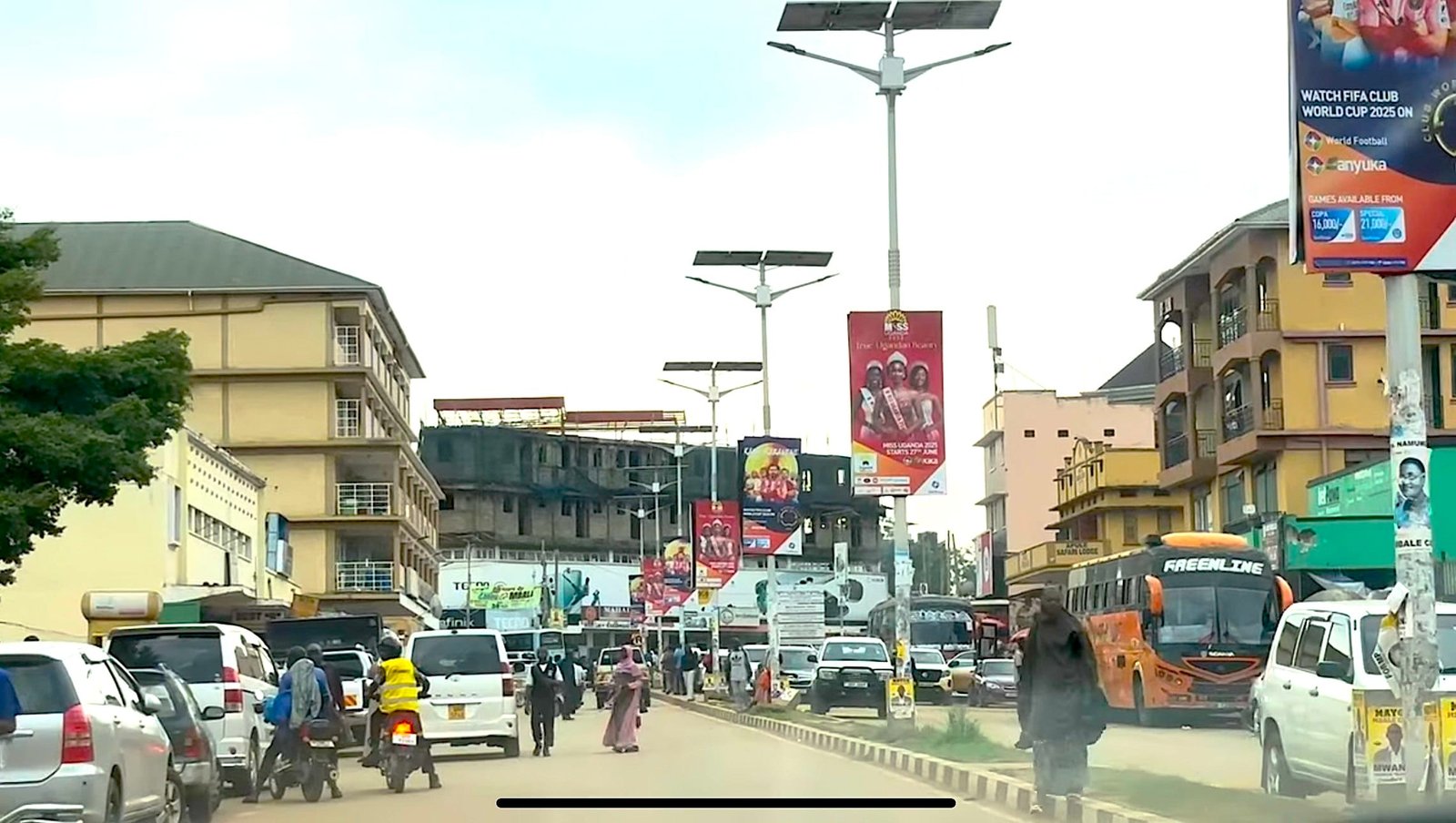
Our days are shaped by school drop-offs, market runs, cooking at home, and the small routines that fill in the spaces between. It’s not rushed, but it’s not slow either—it sits somewhere comfortably in the middle.
There’s a familiarity that settles in quickly. You start to recognize the same roads, the same stops, and the natural flow of the day.
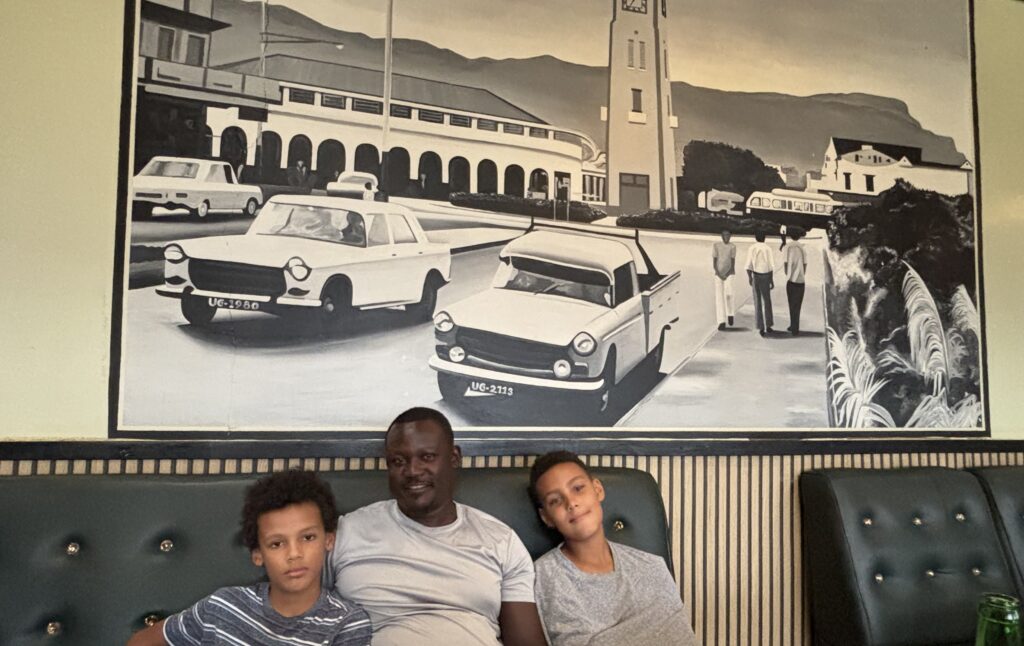
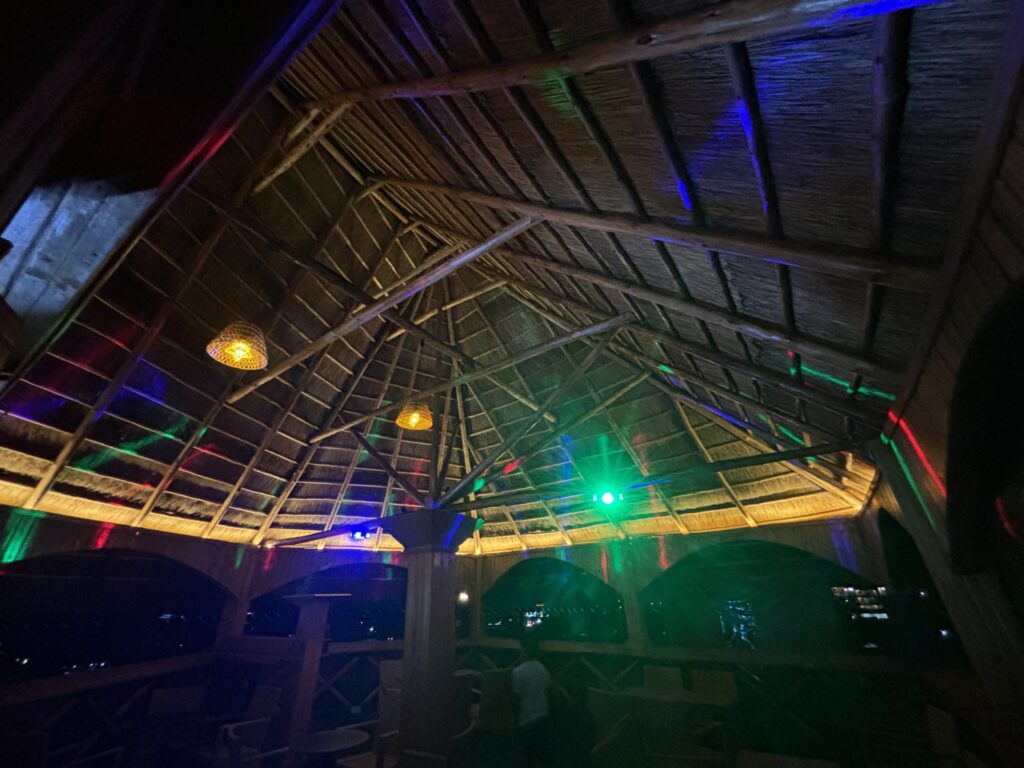
And in between it all, there are small moments that break up the routine—a quick stop for a drink, a shared meal, or time carved out to step away from the day and just be together.
Who Mbale Is For
Mbale is a great fit if you:
- Want to experience everyday life in Uganda beyond major tourist hubs
Some visitors also choose to stay in local apartments or homes when visiting family or spending extended time in the region.
- Are heading toward Sipi Falls or Mount Elgon and want a comfortable stop along the way
- Prefer places that feel lived-in rather than built around tourism
It may not be the place people talk about the most—but that’s part of what makes it special.
Planning a Trip?
These travel resources can help.
Planning a visit to eastern Uganda?
Find things to do in Mbale here:
Whether you’re exploring Mbale, hiking Mount Elgon, or visiting Sipi Falls, it’s worth booking accommodations in advance—especially during busy travel periods.
Simple Things to Do in Mbale:
These aren’t big-ticket attractions—they’re the kinds of things that give you a real feel for Mbale as you experience it day to day.
Trip Planning Resources
These are the companies we’ve personally found the most helpful while traveling.
From Emily’s Notebook
In many ways, Mbale is where our story began.
David and I fell in love in Mbale, worked and lived in Mbale and began our married life here.
All these years later, it is so fun to be back here with our three kids in tow.
We love it here and we know you will too.
Popular Travel Guides
Some of our most-read guides.
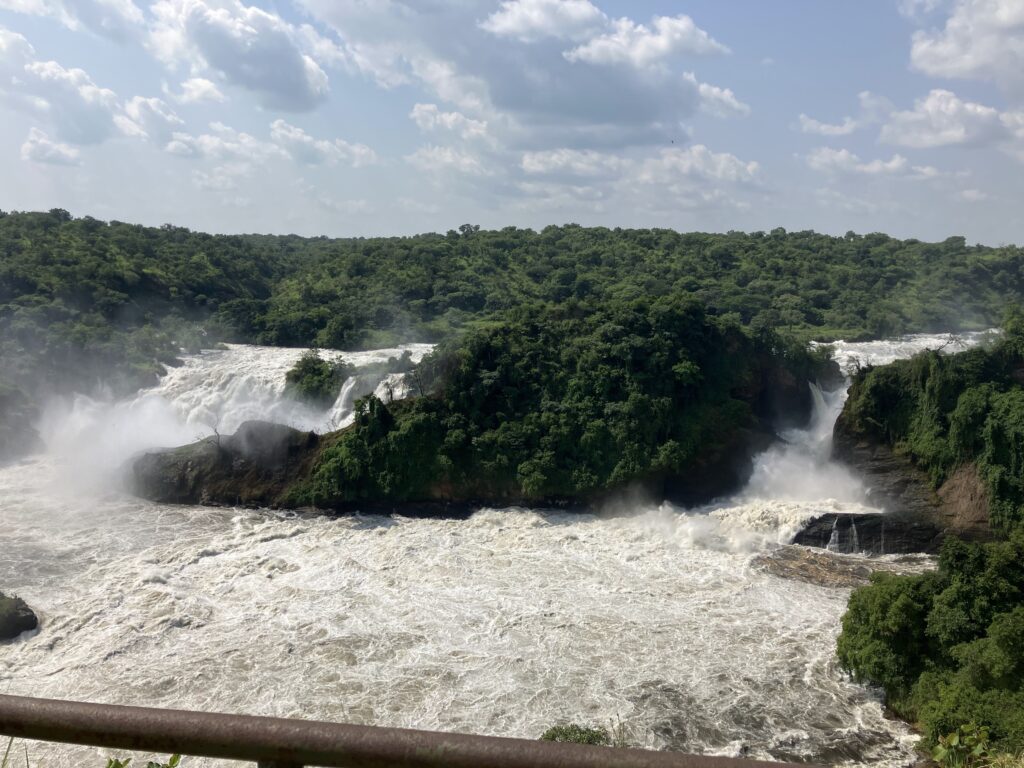
• Murchison Falls Guide
• Zanzibar Guide
• Jinja Guide
• Long-Haul Travel Tips
Final Thoughts
Mbale isn’t the kind of place most people plan a big trip around—but it has a way of staying with you.
For us, it’s where real life happens—in between school runs, cooking meals, time in the village, and everything in between.
We love it here. And for us, it’s home.
A Little About Me
I’m Emily — a wife, mom of three, and travel-loving storyteller sharing our family’s adventures from Uganda and beyond.
After returning to Uganda with my family, we’ve been exploring East Africa together and navigating everything from international flights with kids to weekend road trips and everyday life abroad. Here, I share practical travel tips, honest experiences, and the places that have become part of our family’s story.
Thanks for coming along on the journey.
Meet Our Family →
Looking for a place to belong?
Save Me a Seat at Our Table
We’re so glad you’re here.
Life is a little more meaningful when it’s shared.
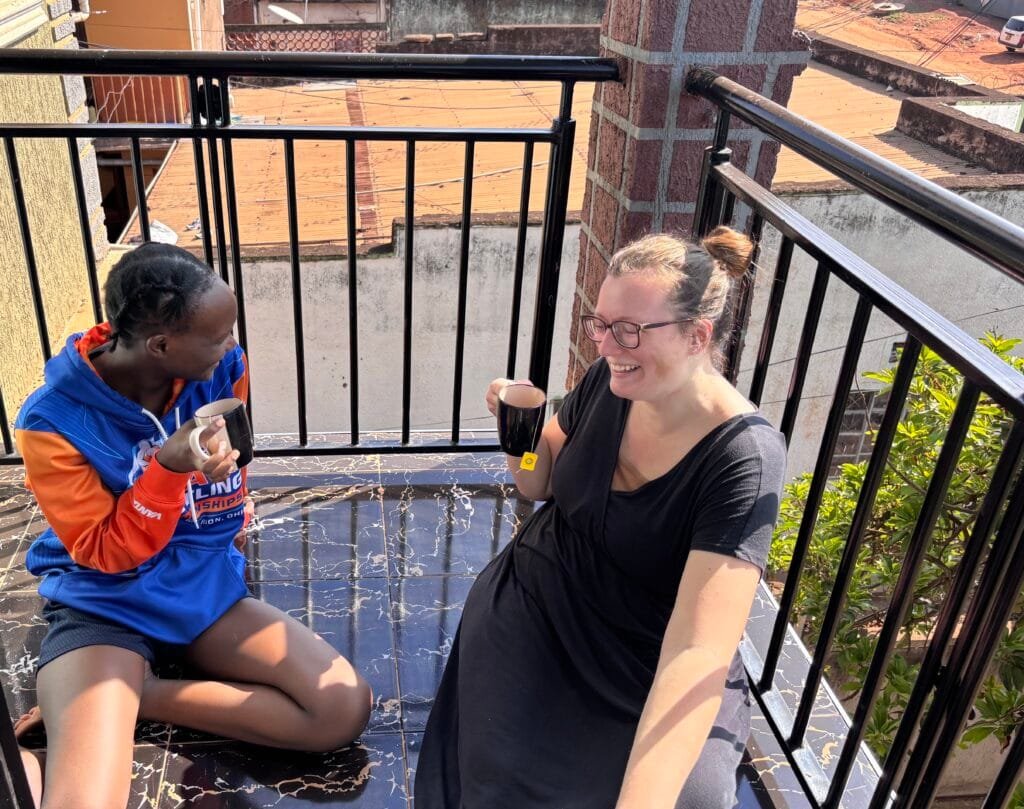
About once a month, I sit down with a cup of tea and write a letter about what we’ve been noticing, learning, cooking, exploring, and celebrating in our little corner of Uganda.
It’s less like a newsletter…
and more like catching up with a neighbor.
If this sounds like your kind of place, go ahead and save yourself a seat.
This site contains affiliate links, which means if you make a purchase, I may earn a small commission at no additional cost to you. Thank you for supporting Isn’t Life Extraordinary.