Moving Abroad With Kids: What We Learned About Helping Our Kids Adjust
September 26, 2026 – Emily
Moving abroad with kids sounds exciting when you are talking about it from far away.
You picture the new house. The new adventures. Exploring a new country together. Maybe a slower pace of life or more time outdoors. You imagine the memories you will make.
And all of those things can be true.
But there is another side to moving countries with children that is harder to explain until you are living it.
There are new routines to learn, new expectations at school, new accents, new foods, new friendships, and a thousand little things that used to happen without anyone thinking about them.
Watch Our Story Unfold
Follow along with our family’s journey on our YouTube channel, Isn’t Life Extraordinary.
There are moments when your children surprise you with how quickly they adapt.
And there are moments when you realize just how much they have left behind.
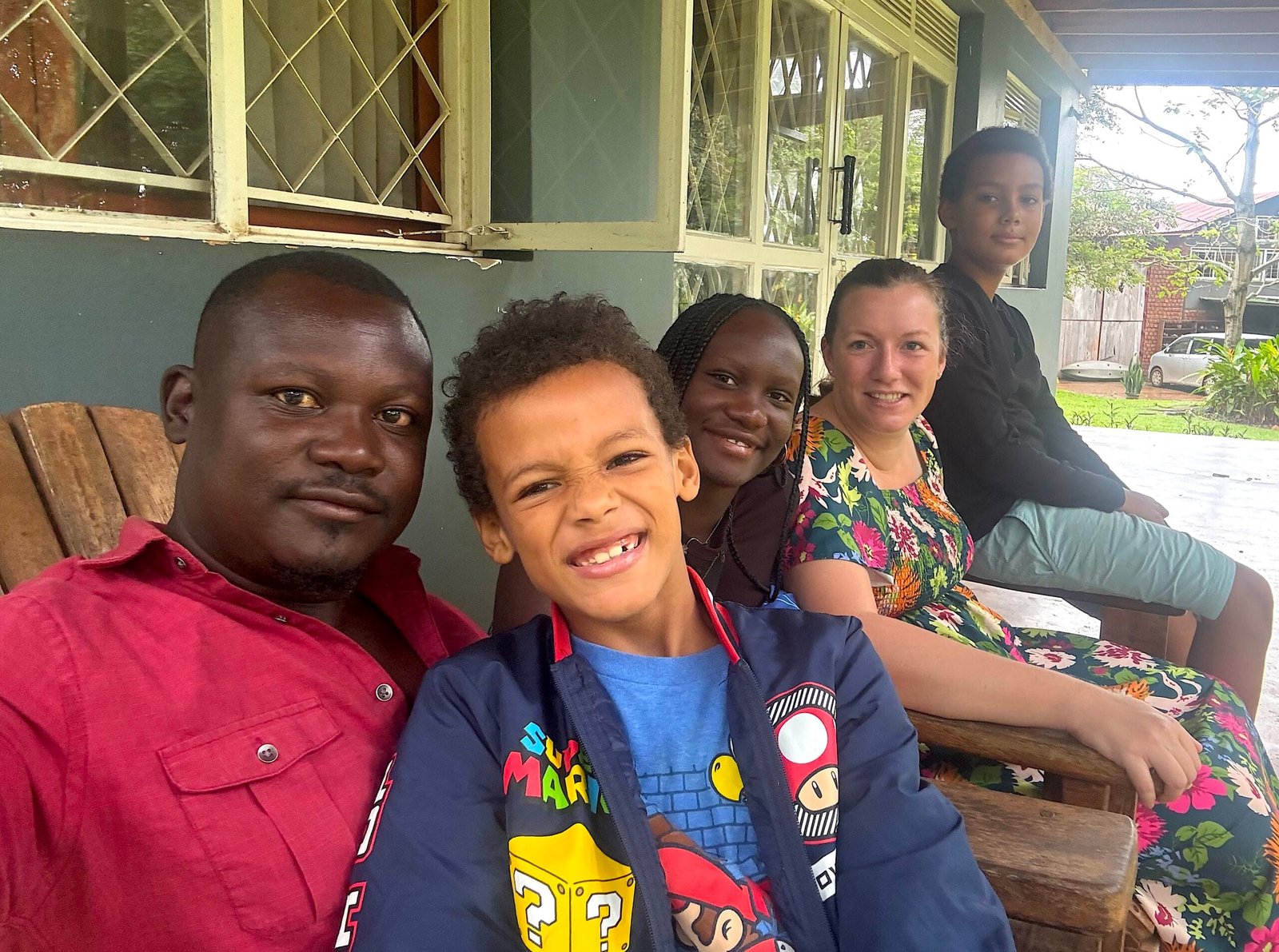
When our family moved back to Uganda last year after twelve years in the United States, I knew the transition would take time. What I didn’t fully understand was how different that transition would look for each of our three children.
We weren’t just moving a family.
We were asking three children, at three very different ages and stages (a primary school aged, a pre-teen, and a teen), to build a new version of normal.
And we have learned a lot along the way.
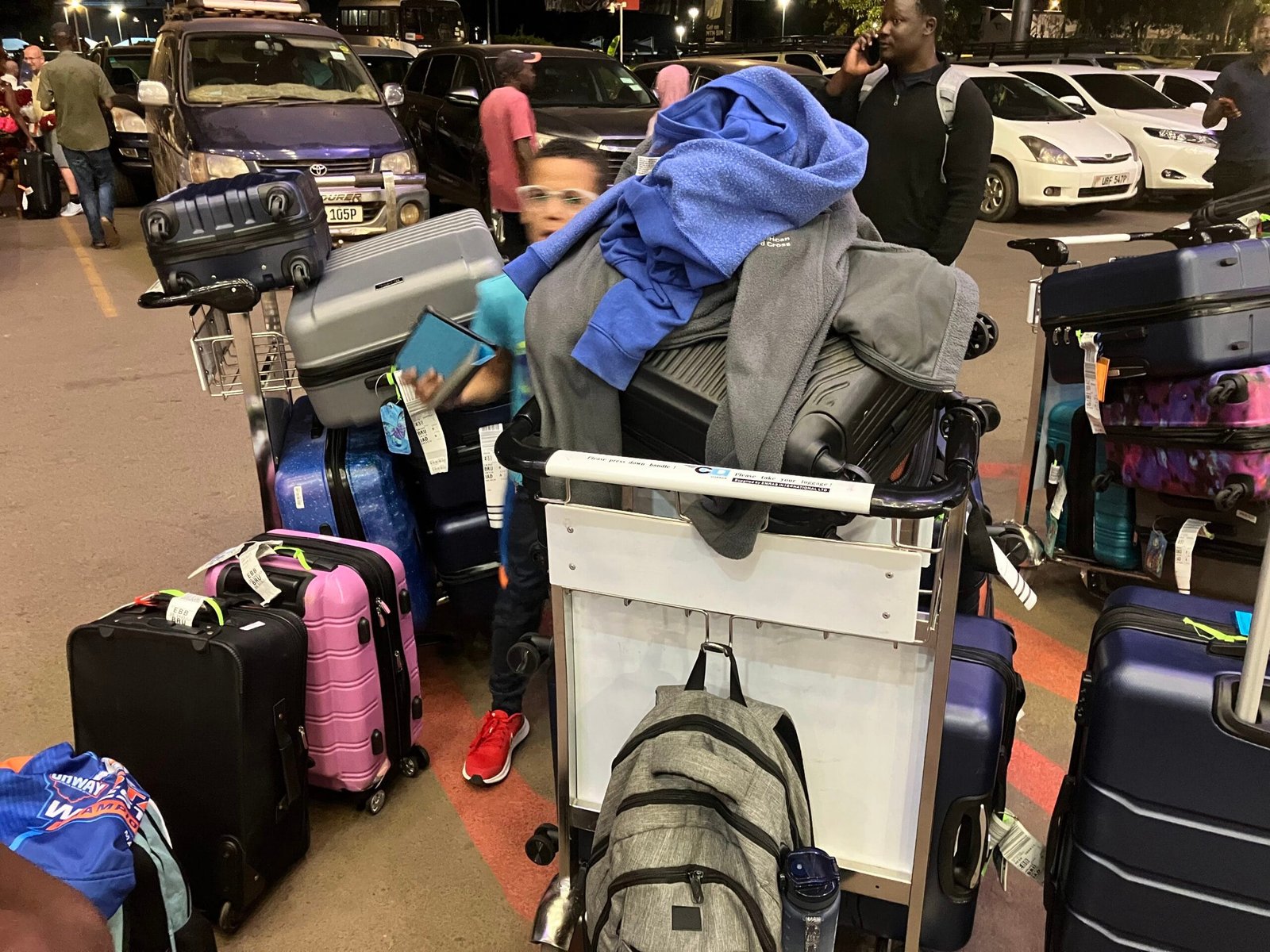
Moving abroad with kids is not one singular experience
One of the first things I had to remind myself was that our children were not going to experience this move the same way.
That sounds obvious, but it is easy as a parent to think of the move as one family experience.
It wasn’t.
One child may be excited about the adventure while another is grieving what they left behind.
One may make friends immediately while another takes months to feel comfortable.
One may love the new food while another misses the meals they grew up eating.
One may embrace the new accent without thinking about it while another may feel self-conscious about sounding different from everyone around them.
And none of those reactions mean the move is going well or badly.
They simply mean they are different people.
I have had to learn to leave room for that.
Give your kids permission to miss their old life.
I think sometimes, as parents, we feel pressure to make a big move feel exciting.
We are excited, after all.
We chose this.
We may have spent months or years planning it.
So when our children say they miss something from the place we left, there can be a temptation to reassure them quickly.
“You’ll make new friends.”
“You’ll get used to it.”
“Look at all the fun things we get to do here!”
And those things may all be true.
But sometimes a child doesn’t need you to convince them that the new place is wonderful.
They just need you to acknowledge that they miss the old one.
We have tried to make room for both things to be true:
You can love your new life and still miss your old one.
You can be excited about Uganda and miss your friends in the U.S.
You can love your new school and still remember your old one.
You can feel at home somewhere new without forgetting the place you came from.
That has been an important lesson for all of us.
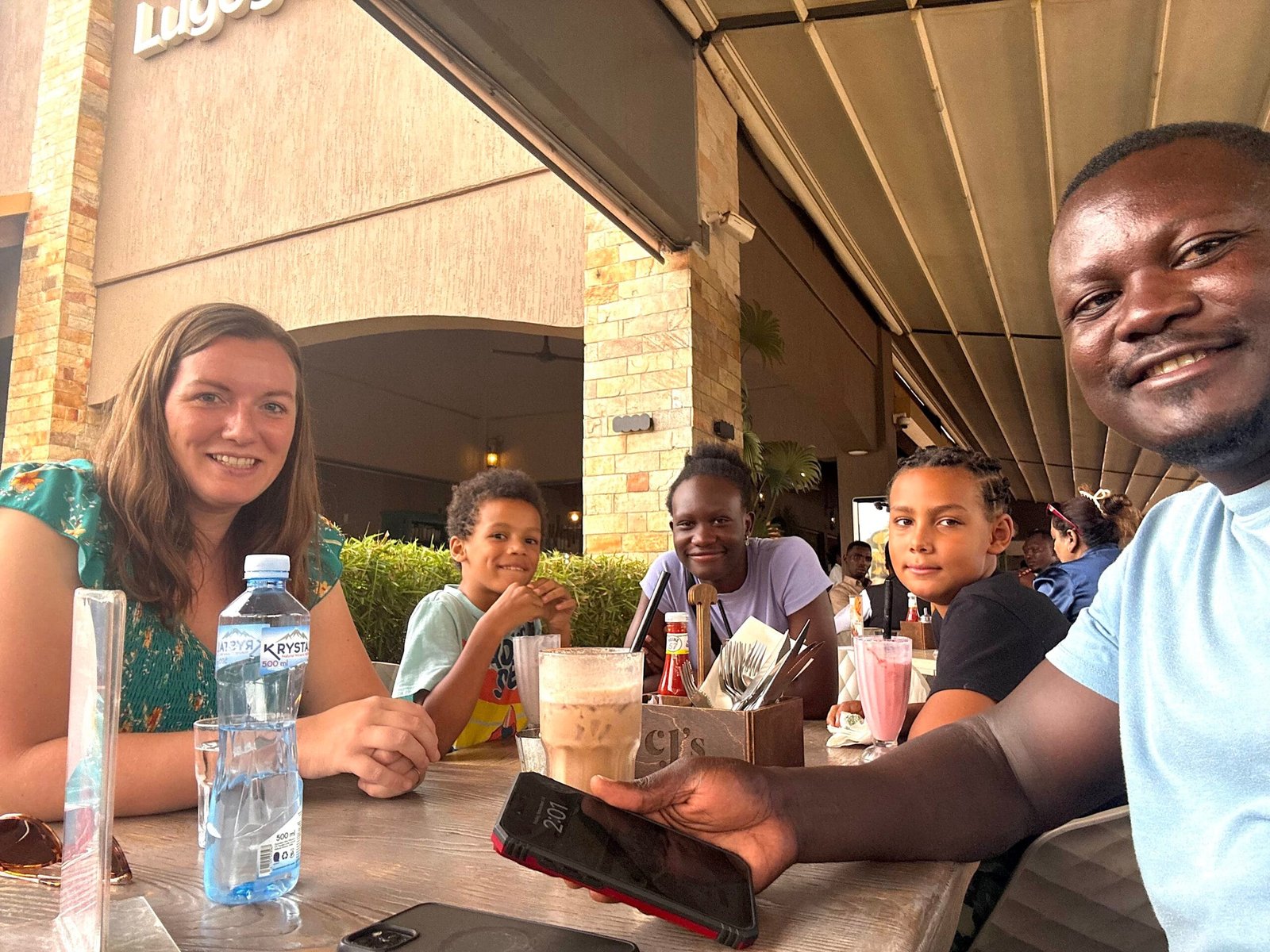
Expect the small things to be harder than the big things
Before moving, I spent a lot of time thinking about the big things.
Housing.
School.
Immigration paperwork.
Transportation.
Money.
Where we would live.
How we would get settled.
Those things matter enormously.
But some of the things that take the most emotional energy are much smaller.
Figuring out how things work at a new school.
Knowing where to buy the things you used to pick up without thinking.
Understanding how long an “ordinary” errand can take.
Learning new roads.
Getting used to different foods.
Figuring out which things need to be planned ahead and which things can happen spontaneously.
Even little cultural differences can require energy when you are encountering them all day long.
After a while, those things become normal.
But in the beginning, they can make you tired.
And children experience that too.
Sometimes what looks like an overreaction to something tiny is actually the result of a child spending all day processing dozens of unfamiliar things.
That is worth remembering.
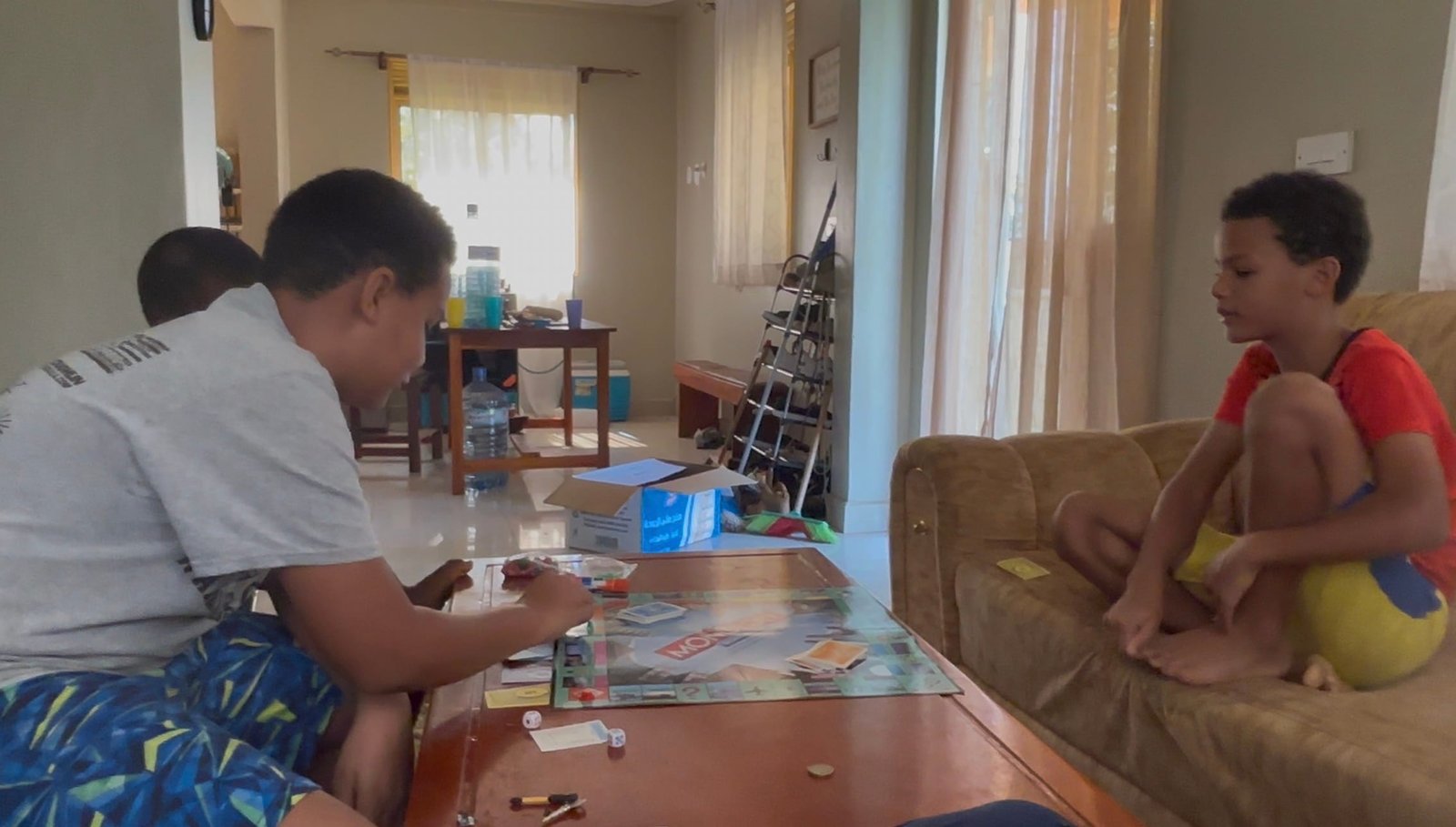

School is a huge part of the transition
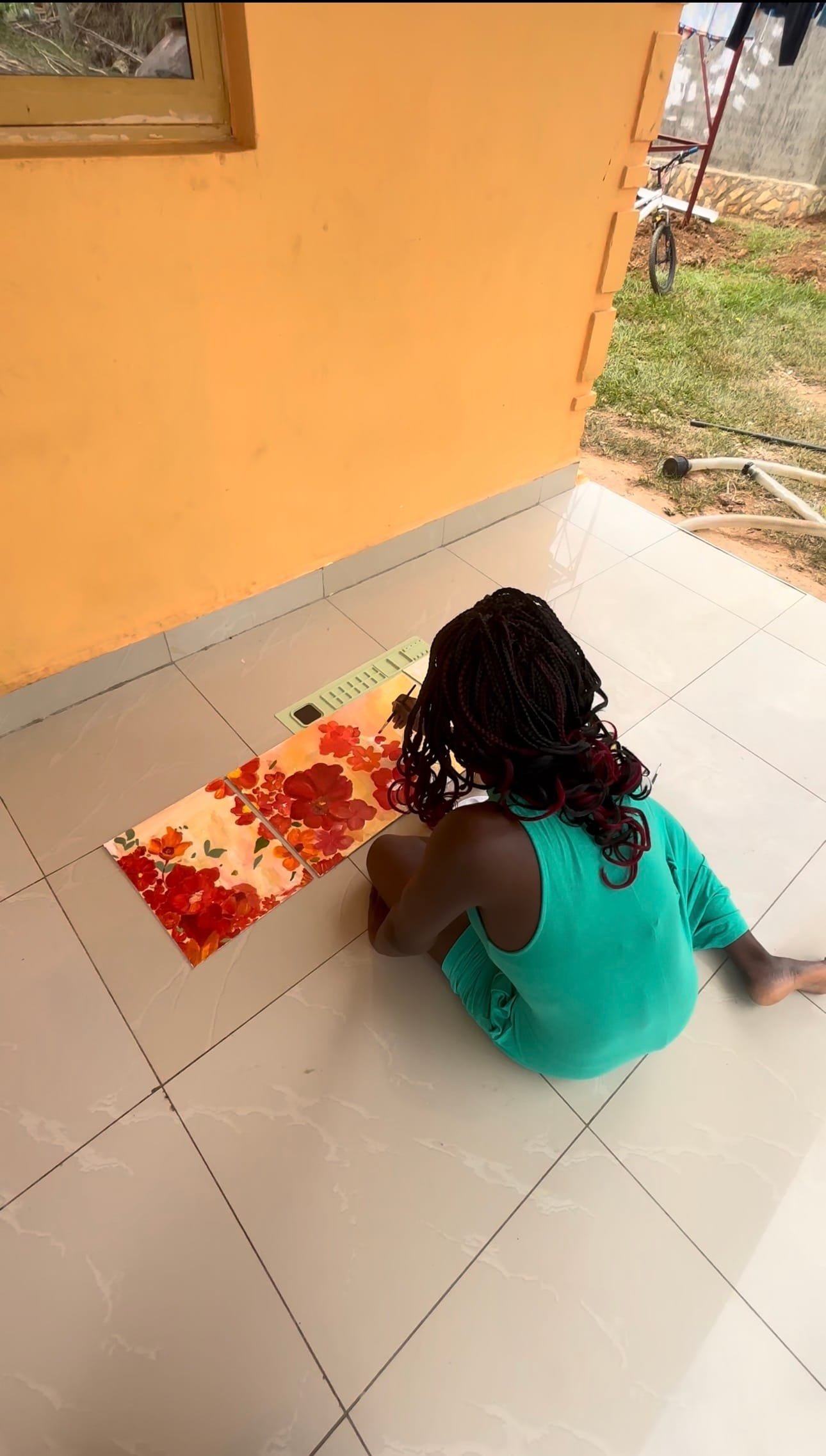
For children, school is not just school.
It is their social world.
It is where they spend most of their weekday. It is where they learn what is normal, who their friends are, how they fit in, and where they sit at lunch.
Changing schools at the same time as changing countries is a lot.
Our kids had to experience this transition twice. We tried online schooling for the first year we were back in Uganda and honestly, it wasn’t the right fit for our kids. So this year, we enrolled our kids in a school here in Uganda and they have been so happy there. Our children had to learn new expectations, new routines, and a different school environment while also figuring out where they belonged socially.
And one thing I have learned is that children can adapt incredibly quickly.
They pick up expressions.
They notice how other children speak.
They learn the routines.
They figure out what is expected.
They make friends.
They begin to understand the rhythm of their new life.
Sometimes they adapt so quickly that you realize they are becoming comfortable before you have even caught up emotionally yourself.
That can be beautiful to watch.
It can also be a little bittersweet.
Their accents may change—and that’s completely normal.
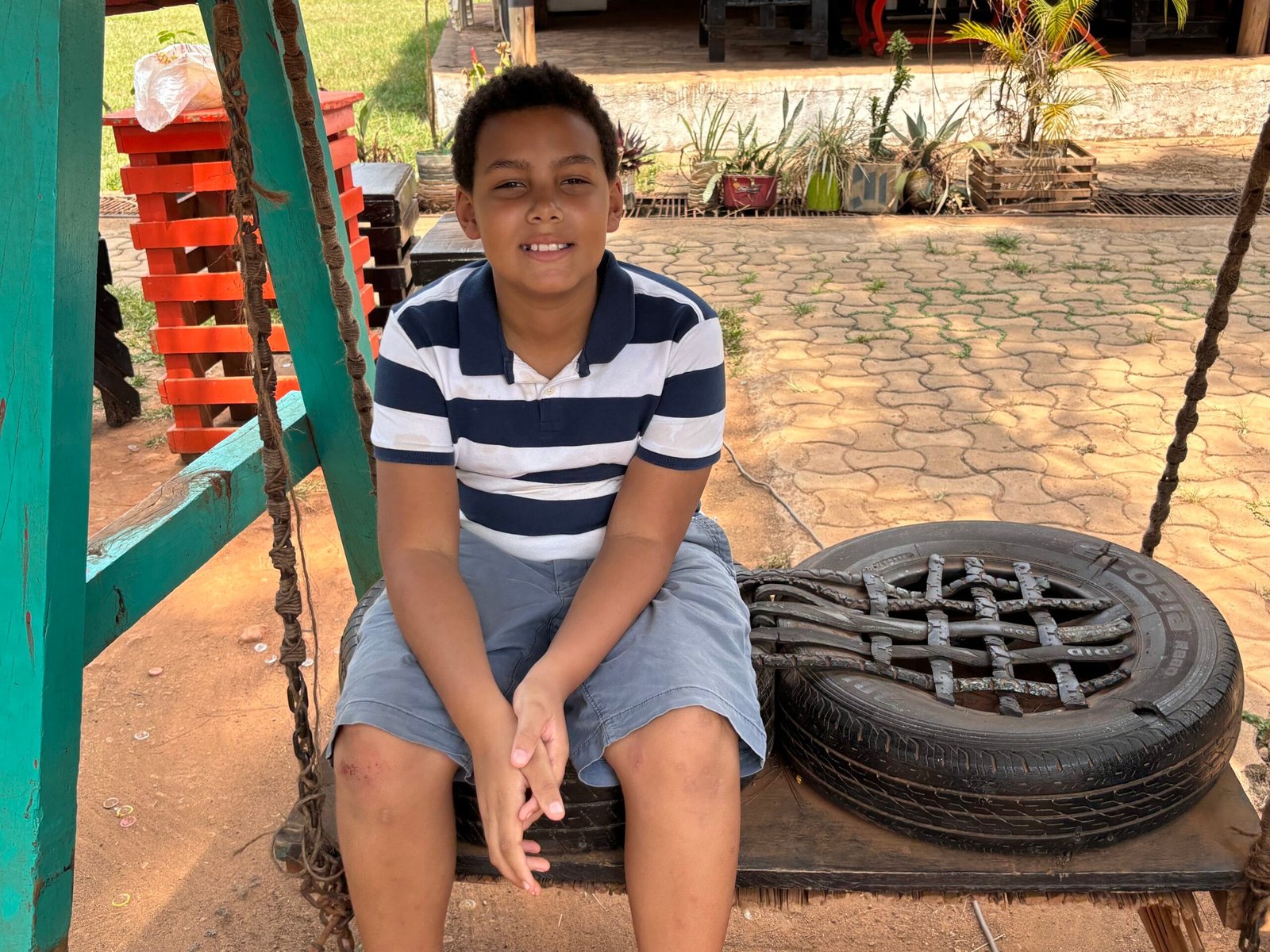
One of the things that has surprised me is listening to our children’s accents change.
They have spent significant parts of their lives in both Uganda and the United States, and language has become one of the ways you can hear them navigating those two worlds.
Sometimes they sound more American.
Sometimes more Ugandan.
Sometimes they sound like a mixture of both.
And that is exactly what they are.
I don’t want them to feel that they have to choose one version of themselves.
There is no prize for sounding exactly like the place you currently live.
Our children are growing up with multiple cultural influences, and I hope they learn to see that as something that gives them a broader understanding of the world rather than something they need to explain or defend.
Let children build their own relationships with the new place
One thing I have tried to remember is that Uganda doesn’t have to become meaningful to our children in exactly the same way it is meaningful to us.
Their memories will be different.
They will have favorite places we don’t particularly care about.
They will have friendships we don’t know much about.
They will remember funny little moments that I will completely forget.
They will build their own relationship with this place.
That is part of the gift of moving as a family.
You don’t get to decide exactly what the experience will mean to everyone.
You get to give them the space to experience it for themselves.
Keep some familiar things
When everything around you is changing, familiar routines become surprisingly important.
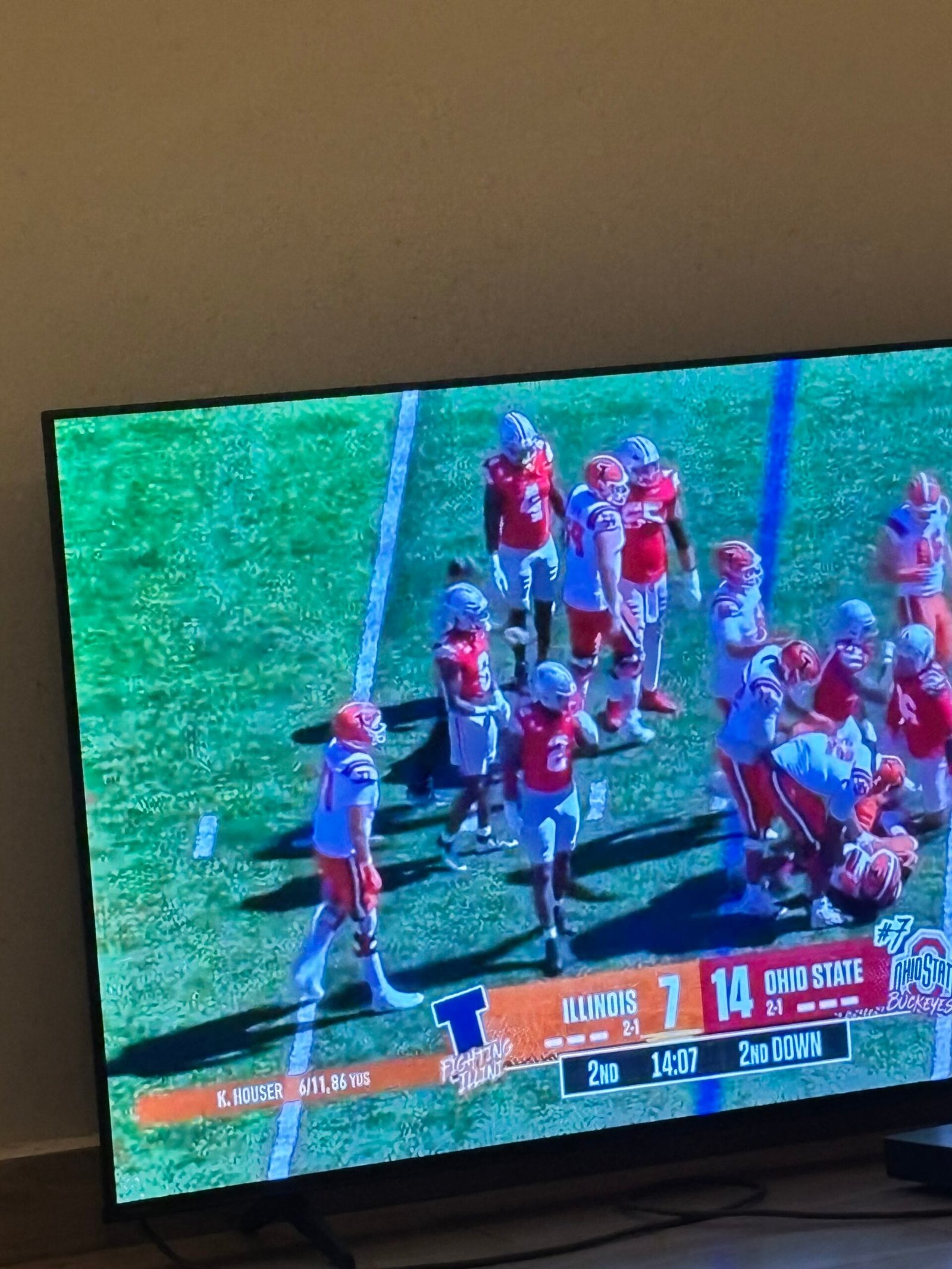
For us, that might be a pancakes and bacon on a Saturday morning, a favorite meal, a bedtime routine, watching the Ohio State Buckeyes football game on a fall Saturday, a movie night, a favorite snack, or simply knowing what Saturday mornings look like for our family here.
It doesn’t have to be complicated.
Children don’t need every part of their old life recreated.
They just need reminders that not everything has changed.
Those little anchors can make a new environment feel much less overwhelming.
Don’t rush the settling-in process
This one has been particularly important for me.
There is a temptation to think that once the boxes are unpacked, the school starts, and everyone knows where the grocery store is, you are settled.
But settling is emotional too.
A family can be functioning long before everyone feels settled.
And those are different things.
You may be going to school, making friends, cooking dinner, and getting through the week while still feeling like everything is new.
That is okay.
There is no deadline for feeling at home.
Some parts of life may click quickly.
Others may take a year or many more.
Sometimes you don’t even notice that you have settled until you suddenly realize you have a favorite place to buy something, a familiar route you drive without thinking, or a neighbor you greet by name.
Home sneaks up on you.
Give yourself permission to struggle too
This one may be the hardest.
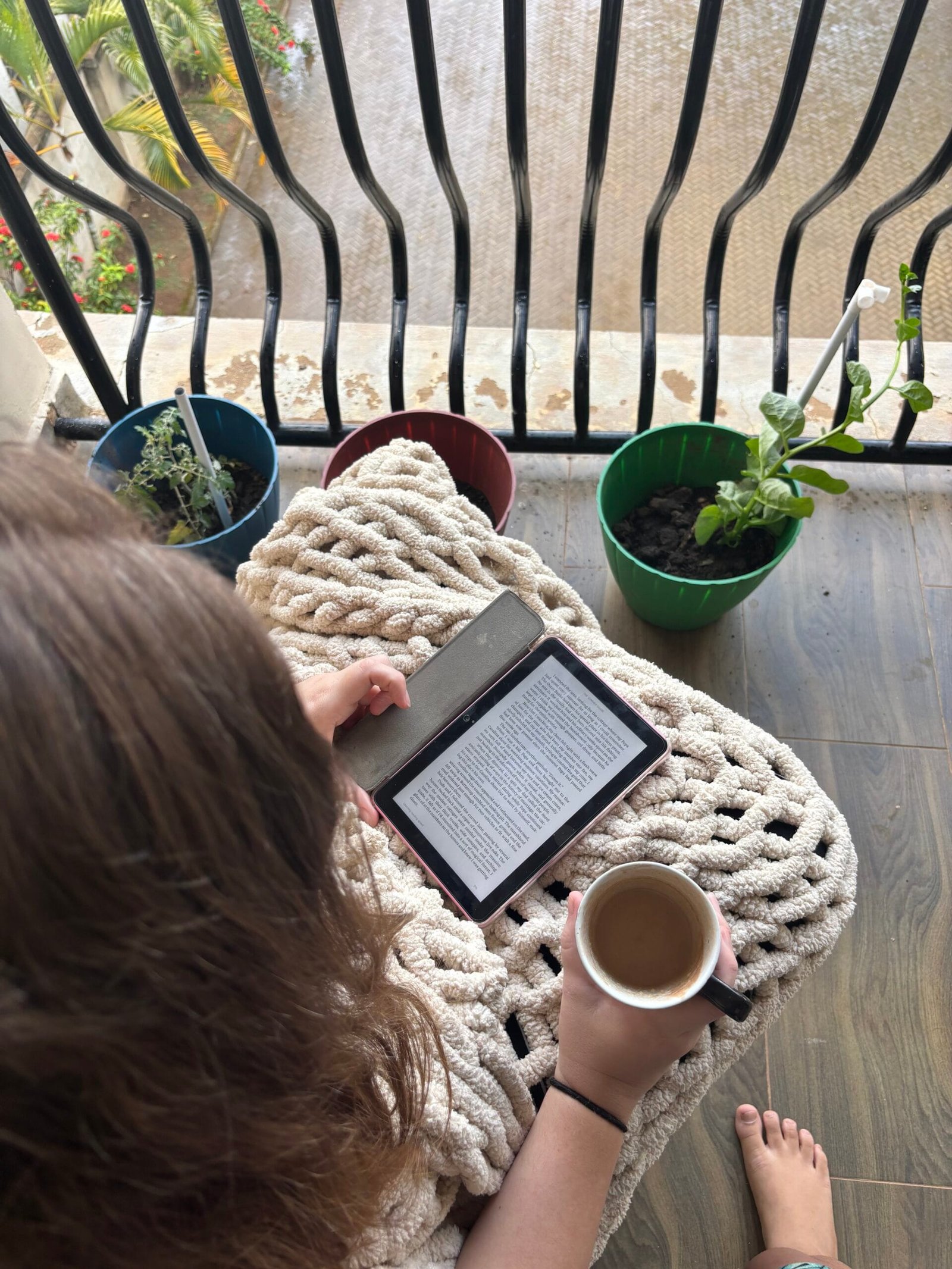
As parents, we can spend so much energy watching our children adjust that we forget we are adjusting too.
We are responsible for making decisions.
We are navigating unfamiliar systems.
We are carrying our children’s worries alongside our own.
And sometimes we are trying to be excited and grateful while also being exhausted.
I have had plenty of days when I thought, “What were we thinking”?
And other days when I looked around and thought, I cannot believe this is our life because it feels too good to be true.
Both feelings can exist.
Moving abroad doesn’t have to be a permanently magical adventure to be a good decision.
Sometimes it is simply life.
There are beautiful days and hard days.
There are exciting discoveries and mundane errands.
There are moments when you feel incredibly grateful and moments when you desperately want something familiar.
That is normal.
Let your children see you adapting
I think one of the most useful things we can give our children is the example of being willing to learn.
We don’t know everything.
We don’t understand every custom.
We don’t always know how something works.
Sometimes we get it wrong.
So we ask.
We watch.
We learn.
We laugh at ourselves.
And we try again.
I hope our children see that moving to another country isn’t about arriving somewhere and immediately knowing how to do everything.
It is about being curious enough to learn.
That may be one of the most valuable lessons they take from this experience.
Find the beauty in the becoming.
There is a strange period after a big move when you are no longer completely new but you don’t quite feel settled either.
You are somewhere in between. I have come to think of that period as the becoming.
You are becoming familiar with the roads. Your children are becoming comfortable at school.
Your family is finding its routines. The new place is slowly becoming part of your story.
And eventually, you realize that the things that once felt foreign have become ordinary. That’s when you know something has changed.
Not because the move suddenly became easy. But because your life has grown around it.
What I would tell another family considering a move
If you are considering moving abroad with children, I don’t think you need to know exactly how everything will work before you go.
You probably can’t.
But I would encourage you to prepare for more than the logistics.
Prepare for the emotional side too.
Talk with your kids about what they are excited about and what they are worried about.
Let them ask questions.
Let them grieve what they are leaving.
Take pictures of the ordinary things, not just the big farewell moments. Their old bedroom, school, their favorite playground, etc.
Keep a few familiar routines.
Give them time.
Pay attention to the child who seems fine, too. Sometimes the child who adapts quietly is still carrying a lot.
And most of all, remember that adjustment isn’t a straight line.
There may be a wonderful week followed by a hard one.
There may be a moment six months in when someone suddenly misses home terribly.
That doesn’t mean you are back at the beginning.
It just means you are human.
We are still settling in
I don’t think our family is finished adjusting.
Maybe we never will be completely.
We are still learning this version of our life.
Our children are growing and changing, which means the experience of Uganda changes with them.
The things that were difficult last year may be completely normal now.
New challenges will take their place.
And somewhere along the way, this place has become less of somewhere we moved to and more of somewhere we live.
That feels significant.
Not because everything is perfect.
Not because every day is easy.
But because we are building a life here.
One school morning.
One family meal.
One familiar road.
One new friendship.
One ordinary day at a time.
And perhaps that’s what moving abroad with children ultimately teaches you:
You don’t build a new life all at once.
You build it slowly, together.
And one day you look around and realize that the unfamiliar has become home.
A Little About Me

I’m Emily — a wife, mom of three, humanitarian professional, and storyteller sharing our family’s journey of building a life across cultures
After more than a decade away, my family and I returned to Uganda, where we’re learning to embrace a slower pace of life, discover beauty in everyday moments, and create a home in a place that is both familiar and new.
Through Isn’t Life Extraordinary, I share reflections on family, faith, travel, food, and the lessons I’m learning along the way.
Meet Our Family →